
When I founded Roadway Insights, I knew that building great software was only half the equation. The other half? Listening. Understanding the real challenges safety professionals face every day — not from a pitch deck, but from face-to-face conversations in hotel conference rooms, exhibit halls, and yes, over coffee at 7 AM breakfasts.
In 2025, I set out on what became a seven-city, seven-conference journey across the country. From Denver to Pittsburgh, Memphis to Boston, I met with DOT engineers, city planners, traffic records coordinators, and safety analysts who are all working toward the same goal: making our roads safer.
Here’s what that year looked like.
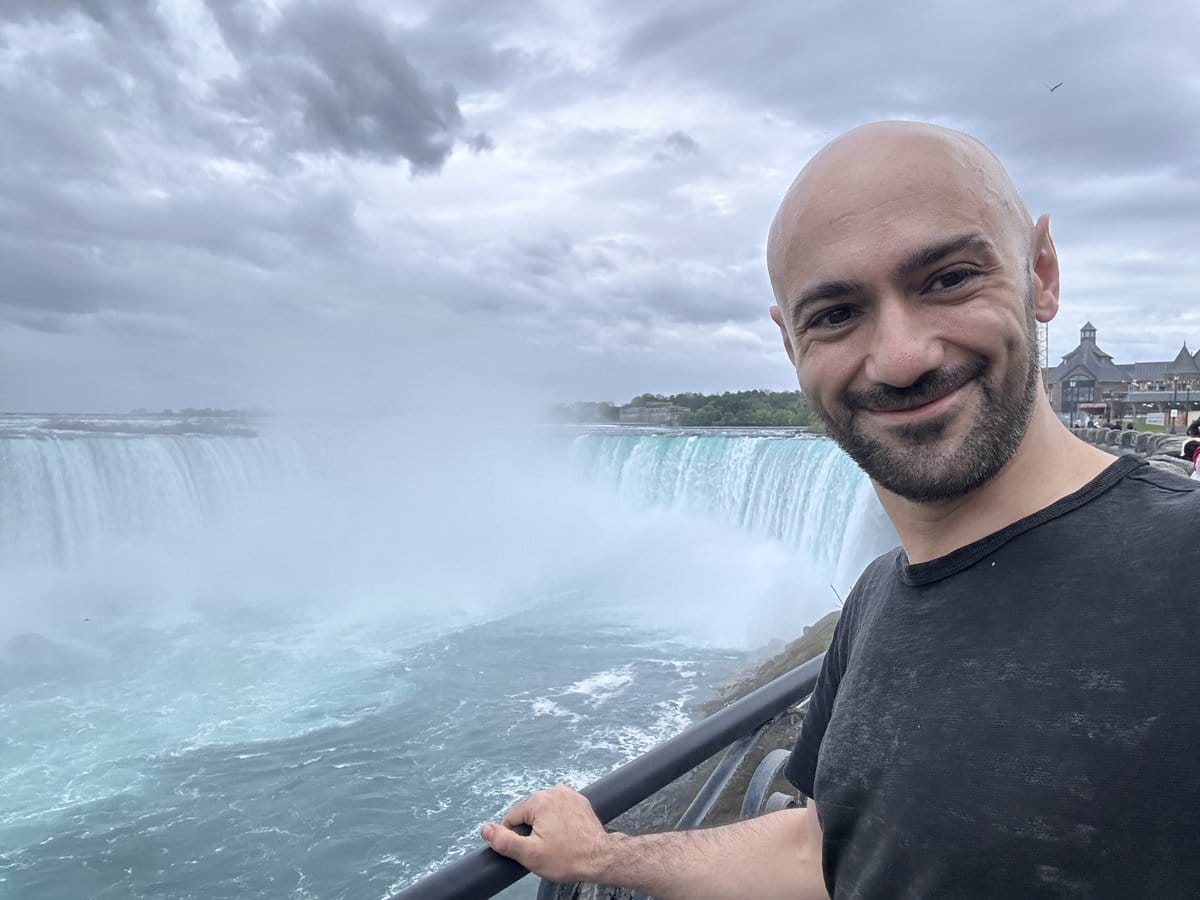
Taking a moment between sessions at the Northeastern ITE conference in Buffalo — Niagara Falls delivered.
Seven Cities, Seven Conferences
National Planning Conference — Denver, CO
The NPC was my first major conference of the year. Denver’s planning community showed me how deeply transportation safety is woven into broader community planning conversations. Planners aren’t just thinking about lane widths — they’re thinking about equity, access, and livability. It reinforced why our platform needs to speak the language of planners, not just engineers.
Southern / Missouri Valley ITE — Memphis, TN
Memphis brought together professionals from across the South and Midwest. The conversations here were heavily focused on rural safety challenges and how agencies with smaller budgets can stretch their data analytics capabilities. One recurring theme: agencies want to do network screening and HIN analysis but feel locked out by the cost and complexity of existing tools.
Mid-Colonial ITE — Annapolis, MD
The Mid-Colonial meeting is close to home, and this one was special — I gave a presentation on how data analytics enables the Safe System Approach. The Mid-Atlantic region has some of the most progressive safety programs in the country, and the questions from the audience pushed my thinking on how we integrate systemic analysis into everyday workflows.
Northeastern ITE — Buffalo, NY
Buffalo brought an incredible mix of state DOT engineers and municipal planners from across the Northeast. The discussions here centered on High Injury Networks and how to make them actionable — not just maps on a wall, but living tools that drive project selection and grant applications. Also, Niagara Falls at night is something everyone should see at least once.
Great Lakes ITE — Indianapolis, IN
Indianapolis was buzzing with energy. The Great Lakes district covers states with massive road networks — Michigan, Ohio, Indiana, Illinois — and the scale of their safety challenges is immense. I heard over and over that agencies need platforms that can handle large datasets without requiring a PhD in statistics. That’s exactly what we’re building.
ATSIP Annual Conference — Boston, MA
ATSIP (Association of Transportation Safety Information Professionals) is where the traffic records community gathers. These are the people who build and maintain the data systems that everything else depends on. Boston was a masterclass in data quality, crash reporting standards, and how better data infrastructure leads to better safety outcomes. The conversations here directly shaped how we approach data import and validation in our platform.
Governor’s Safety Association — Pittsburgh, PA
The GSA conference capped off the year in the Steel City. Governors’ highway safety offices have a unique perspective — they see the full picture across state agencies. The presentations on dashboard development and real-time safety operations showed me where the industry is heading: agencies want unified platforms that connect planning, analysis, and project delivery.
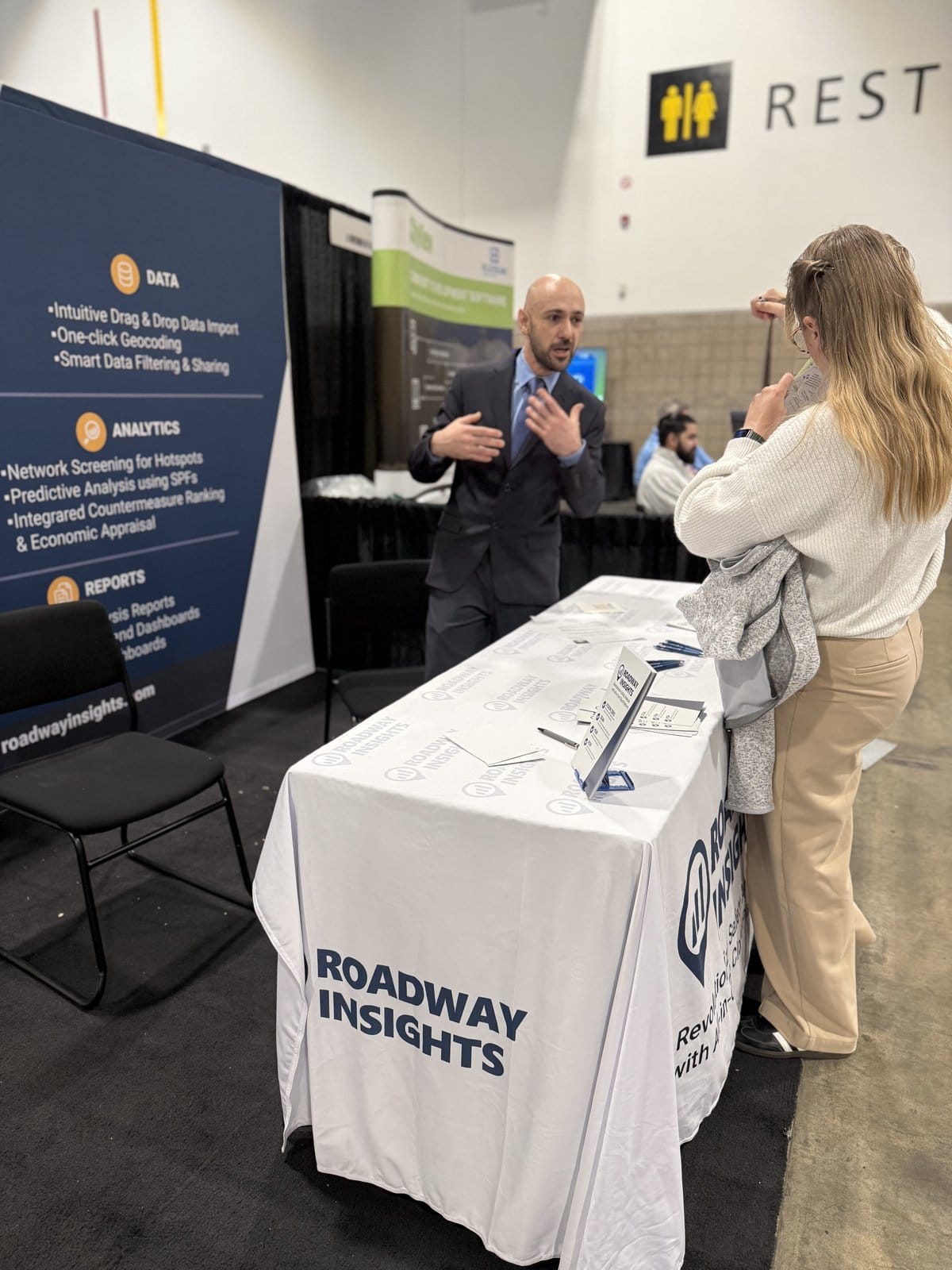
Engaging with safety professionals at a conference booth.
What I Learned
After hundreds of conversations across seven conferences, a few themes emerged loud and clear:
- Agencies are hungry for accessible analytics. The tools exist, but they’re locked behind expensive contracts, steep learning curves, or both. Safety professionals want to run network screening, build HINs, and analyze crash patterns without needing a dedicated analyst or consultant.
- SS4A changed the game. The Safe Streets and All program has created unprecedented demand for safety analysis. Agencies that never had to produce comprehensive safety plans are now scrambling to build data-driven narratives for grant applications.
- Data quality is the foundation. Every conversation about analysis eventually comes back to data. If crash records are incomplete, geometries are wrong, or linking methods are inconsistent, no amount of fancy analytics can produce trustworthy results.
- People want to feel ownership. Agencies don’t want to hand their data to a consultant and wait 6 months for a report. They want to explore their own data, run their own scenarios, and build institutional knowledge that stays in-house.
Looking Ahead
This conference season taught me more than any market research report ever could. Every conversation, every question from the audience, every “can your platform do X?” has shaped our product roadmap.
In 2026, we’re expanding our conference presence and deepening the features that came directly from these conversations: enhanced network screening, streamlined SS4A support, and data import tools that handle real-world messiness.
If we crossed paths at any of these events, thank you for sharing your challenges and ideas. And if we haven’t met yet — I’d love to connect. Reach out anytime.
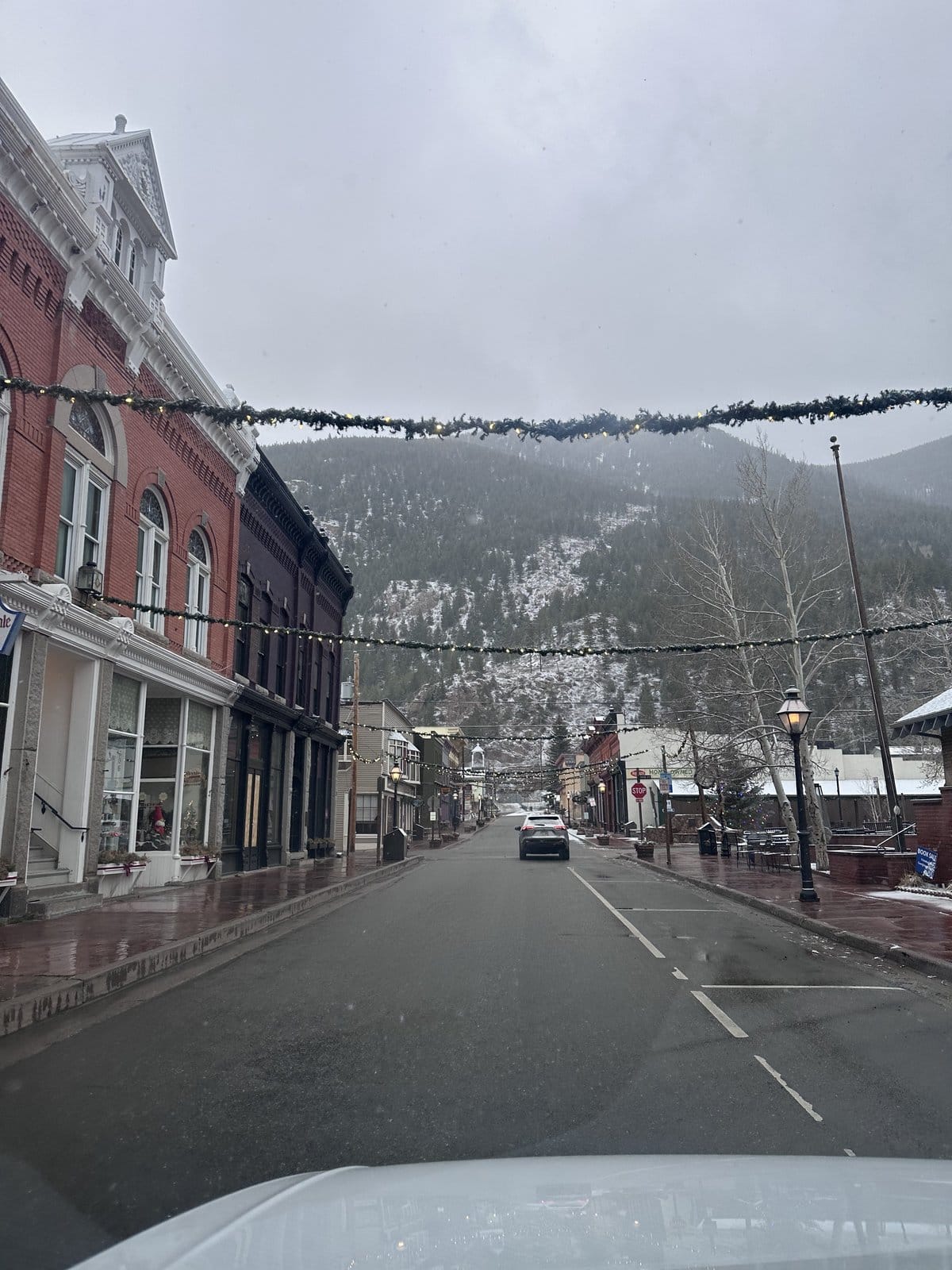
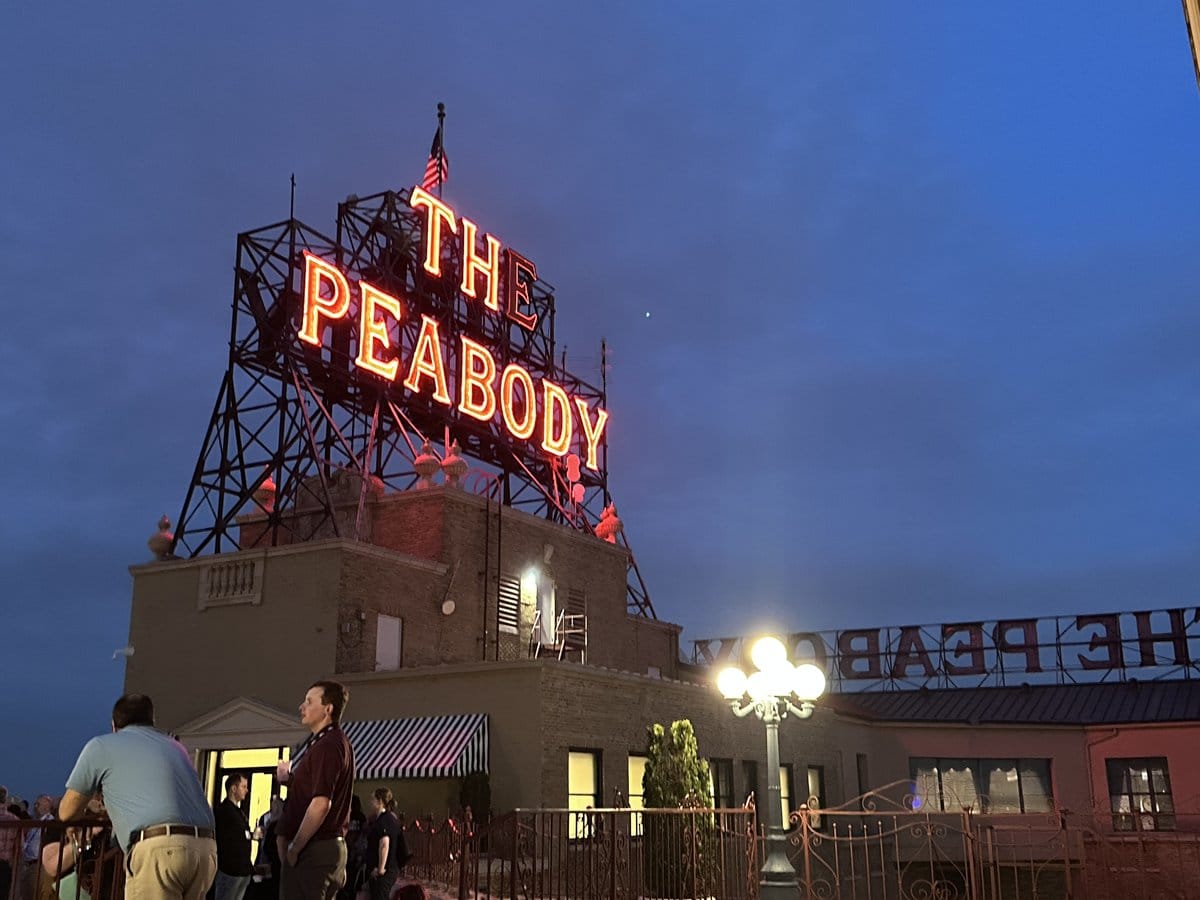
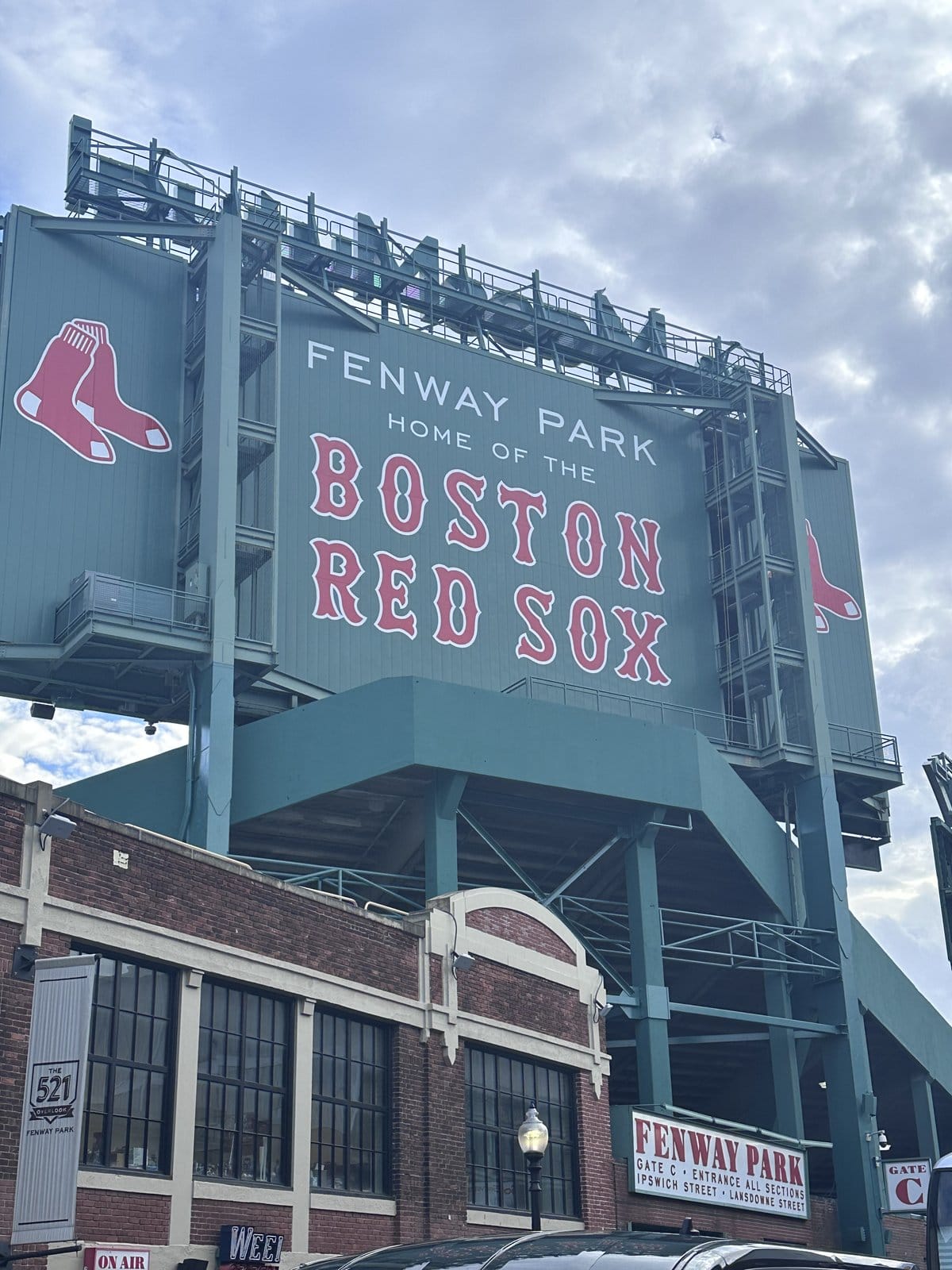
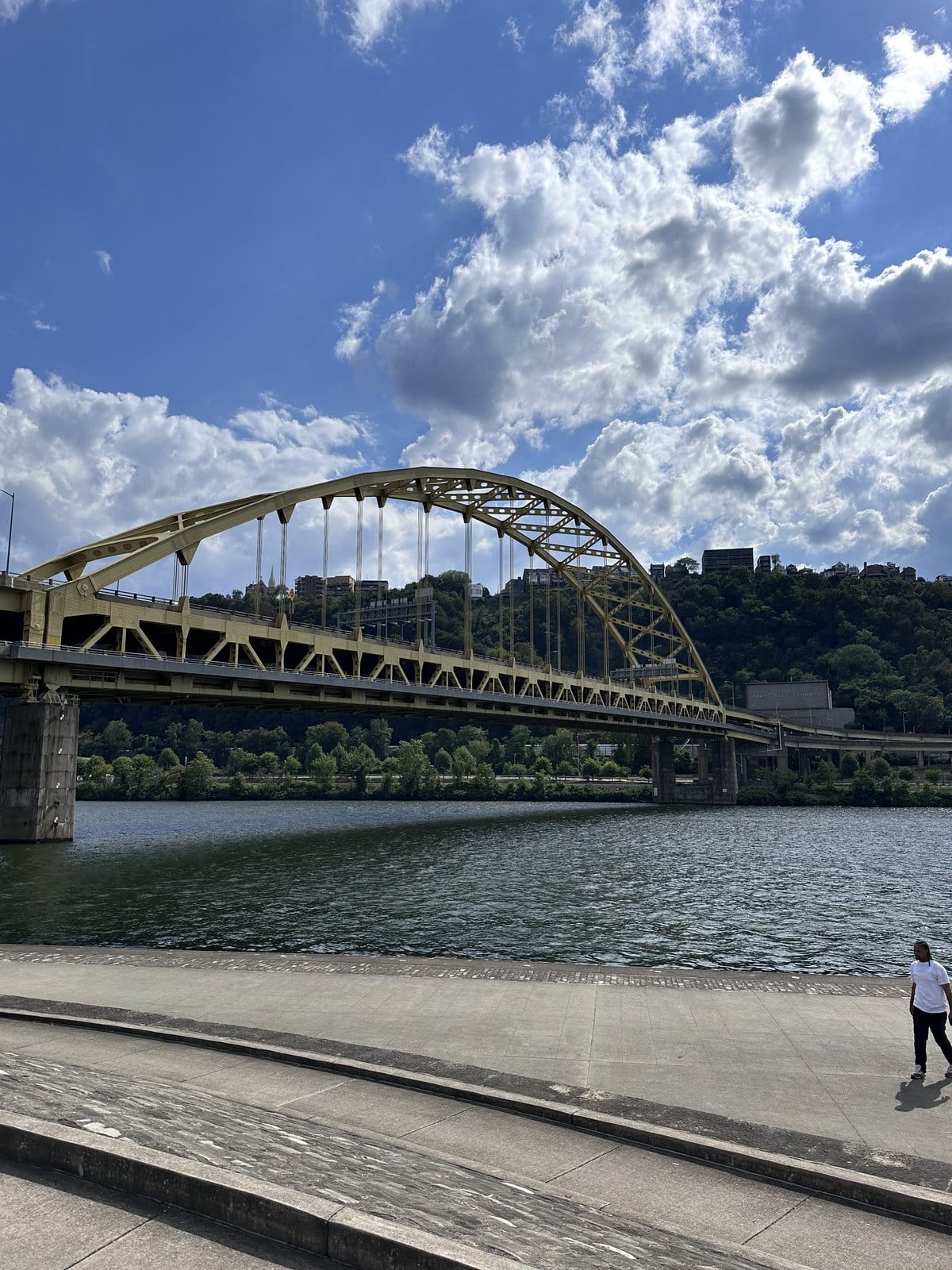
Scenes from the road: Denver, Memphis, Boston, and Pittsburgh.